
Scotland Cruise Ports & Itineraries
Scotland cruise itineraries rarely stop at just one port. Ships call at Edinburgh, then continue north to the Highlands, Orkney, Shetland, or the west coast. Each stop works differently. Some dock alongside. Others rely on tenders and shuttle buses. Distances to town vary, and so does the pace of the day.
In This Guide
This section breaks down how Scotland cruise ports actually operate. You’ll find docking details, transfer patterns, excursion realities, and what passengers often underestimate at each stop. Whether you’re planning ahead or checking logistics before arrival, these guides focus on how time ashore unfolds – not just what’s listed in a brochure.
Scotland Cruise Guide
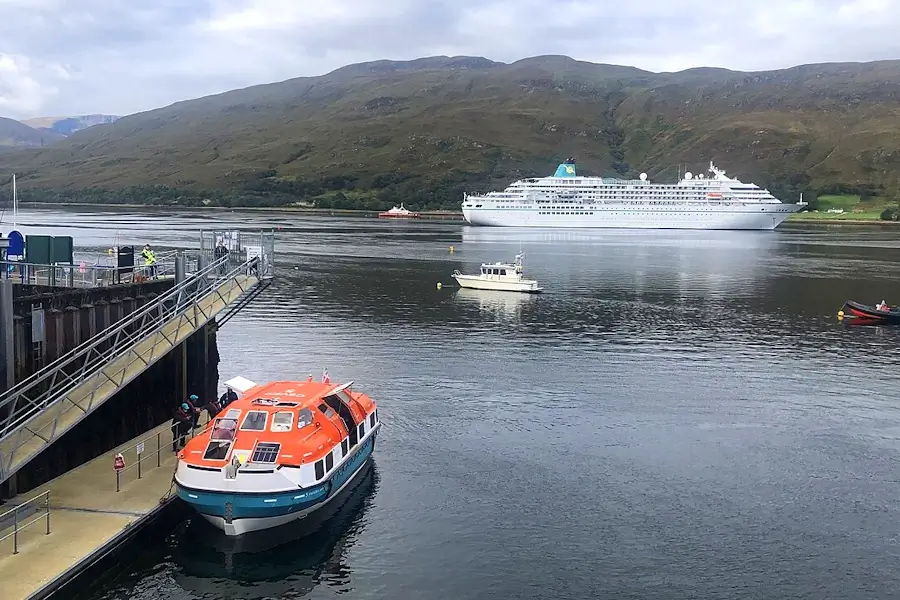
Scotland Cruise Guide: What to Expect at Each Port
A practical overview of how Scotland cruise ports operate – where ships dock, how transfers work, and how shore days typically unfold from Edinburgh to the Highlands and islands.
Major Scotland Cruise Ports
Each of the ports below operates differently. Docking method, distance to town, and excursion geography shape how the day unfolds. Use these summaries to understand what happens once you step off the ship.
Edinburgh (South Queensferry)

Anchorage off the Forth with tender transfer to Hawes Pier; most passengers either head straight into Edinburgh or stay local along the High Street and bridge viewpoints.
Dundee Cruise Port

Dockside arrival about 1 mile from the centre; walkable on paper but most passengers use taxis or shuttle buses rather than crossing the industrial approach
Aberdeen Cruise Port

Cruise ships dock in the Port of Aberdeen alongside the pier. It’s easy to walk to the city centre from Victoria Dock, but passengers arriving at Balmoral Quay require transport.
Kirkwall (Orkney)
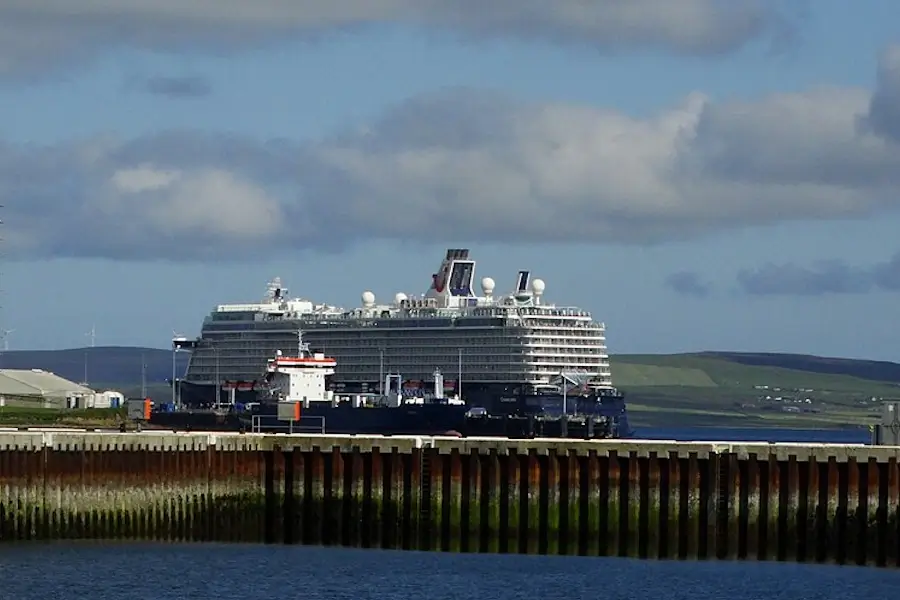
Berth at Hatston Pier or anchor in Kirkwall Bay with a shuttle into town; island distances are wide, and most passengers commit to structured excursions.
Invergordon (Inverness)
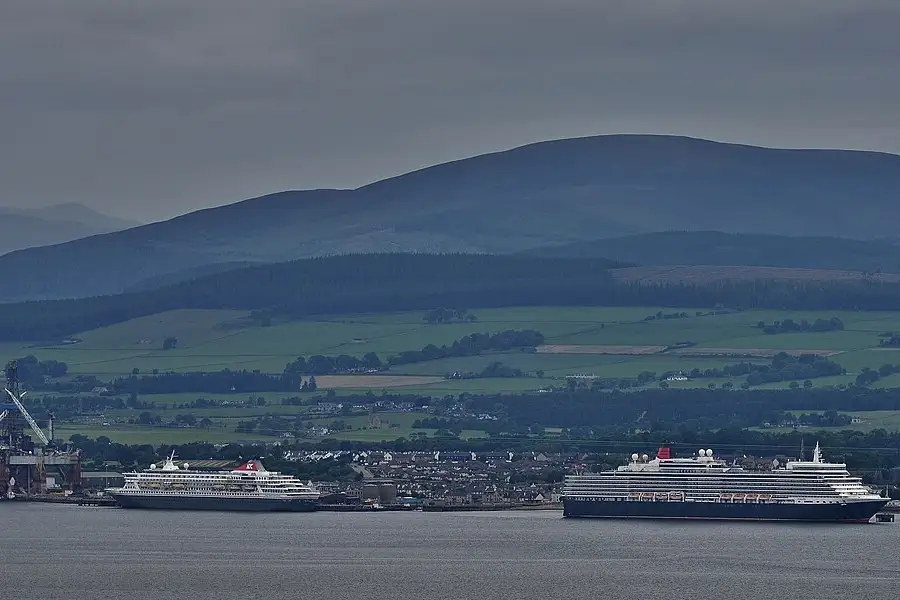
Dockside arrival with most passengers transferring inland toward Inverness and Loch Ness.
Lerwick (Shetland)

Dock or tender close to town; independent walking is easy, but most itineraries rely on longer island drives beyond the centre.
Stornoway (Isle of Lewis)

Most larger cruise ships tender to shore with coach departures heading toward Harris and the Callanish stones; local exploration is straightforward but compact.
Portree (Isle of Skye)

Anchorage with tender transfer into a small harbour; excursion-heavy stop with limited independent transport beyond the village.
Oban

Cruise ships usually anchor with a short tender into the town centre – compact waterfront layout with many passengers dispersing quickly toward Mull or Highland tours.
Greenock (Glasgow)
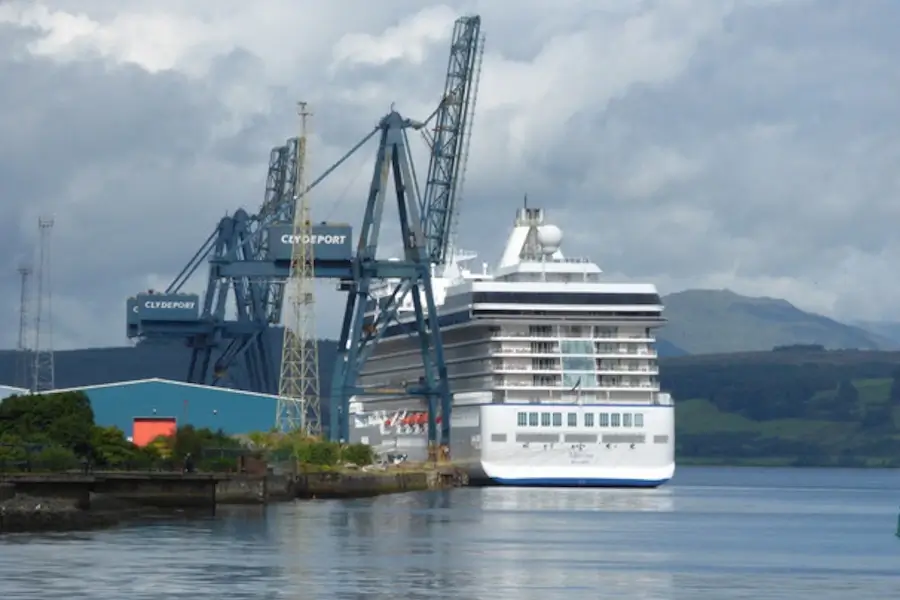
Dockside arrival with immediate coach transfers inland; most passengers head for Glasgow or Loch Lomond rather than staying in port.
Scotland Cruise Ports at a Glance
Not all Scottish ports work the same way. Some dock you within walking distance of a town centre; others anchor offshore and tender you in. Some are gateways to a single UNESCO World Heritage Site – others open up three hours of Highland road. This table covers the essentials before you book shore excursions.
| Port | Arrival & Distance to Town | Key Shore Excursions |
|---|---|---|
| South Queensferry (Edinburgh) | Tender to Hawes Pier. City centre 14 miles – bus or taxi. Forth Bridge directly overhead. | Edinburgh Castle, Royal Mile, Holyrood Palace, St Giles Cathedral, Royal Edinburgh Military Tattoo (August) |
| Greenock (Glasgow) | Pier berth. Glasgow Queen Street or Central 25 miles – regular train service, ~40 min. | Glasgow city centre, Kelvingrove, Loch Lomond & The Trossachs, Kyles of Bute, Mull of Kintyre |
| Invergordon (Highlands) | Pier berth. Inverness 24 miles north – tours, taxi, or organised coach. | Loch Ness, Inverness Castle, Cawdor Castle, whisky distilleries (Dalmore, Glenmorangie), Caledonian Canal |
| Kirkwall (Orkney) | Hatston pier (1.5 miles from town) or tender to harbour for smaller vessels. Both walkable. | Ring of Brodgar, Skara Brae, St Magnus Cathedral, Maeshowe – four UNESCO World Heritage Sites in one day |
| Lerwick (Shetland) | Dock berth or tender depending on ship size. Town centre 5-minute walk. | Jarlshof prehistoric settlement, Shetland Museum and Archives, Fair Isle knitwear, dramatic coastal cliffs |
| Stornoway (Outer Hebrides) | Tender for larger ships, pier for smaller. Town a short walk from landing. | Callanish Standing Stones, Outer Hebrides coastline, Harris tweed, Hebridean life away from the tourist trail |
| Portree (Isle of Skye) | Tender from anchor. Portree harbour front is where you land. | Trotternish Ridge, Old Man of Storr, Fairy Pools, marine wildlife (basking sharks, minke whale), Sound of Rum |
| Oban (West Highlands) | Tender. Town centre immediate – Oban is compact and walkable. | Gateway to Inner Hebrides, Islay whisky tours (Highland Park alternatives), seafood, McCaig’s Tower, ferry to Mull |
| Aberdeen | Pier berth at one of two quays. City centre approximately 1 mile. | Royal Deeside, Balmoral Castle, Dunnottar Castle, Maritime Museum, Aberdeenshire castle trail |
| Dundee | Pier berth. Waterfront and V&A Dundee approximately 1 mile. | V&A Dundee, RRS Discovery, Angus coast villages, Glamis Castle, Brechin |
Tender note: Whether a ship tenders or docks is ultimately the captain’s call on the day, based on weather and swell. Orkney and Shetland in particular can see plans change at short notice – build flexibility into any independent shore excursion bookings.
When to Cruise Scotland
Scotland’s cruise season runs roughly April to October. That’s the honest range – outside it, northern ports become operationally difficult and the weather genuinely hostile. Within that window, the experience varies more than the brochures suggest.
| Month(s) | Conditions & Crowds | Best For |
|---|---|---|
| April – May | Cool and often blustery, especially in the Northern Isles. Landscapes vivid green. Low crowds. Longer daylight hours arriving. | Wildlife spotting (puffins return to colonies, basking sharks in May), empty sites, competitive fares, Orkney and Shetland without queues |
| June – July | Best average weather. Edinburgh peak season. Long days in the north – Shetland gets near-24-hour light at midsummer. | Full daylight tours, Hebridean island hopping, Skye and Portree at their most accessible, marine wildlife at peak season |
| August | Edinburgh Festival and Military Tattoo month – city buzzing, accommodation expensive. Elsewhere in Scotland, quieter than you’d expect. | Festival visitors at South Queensferry stop. Crowds thinner at Invergordon, Kirkwall, Oban. |
| September – October | Shoulder season. Light softening, heather still on the hills. More weather risk in the far north. Fewer ships, more availability. | Photography, autumn colours on Royal Deeside (Aberdeen), whisky harvest season, small-ship cruises with better cabin selection |
Small-ship cruises – the Hebridean Princess type, or expedition-style vessels under 200 passengers – can be worth considering if you want ports like Dunstaffnage Marina or remote anchorages in the Sound of Mull. Larger itineraries (Viking’s British Isles Explorer, ROL Cruise Scotland routes) typically cover the main ports above and suit passengers who want shore excursion infrastructure already in place.
Which Port Suits Your Trip?
Most Scottish cruise itineraries string several ports together – you rarely get just one. But knowing which ports carry the most weight for your interests helps when comparing itineraries or planning shore excursion time.
You want Scotland’s cities and history
Prioritise South Queensferry (Edinburgh) and Dundee. Edinburgh gives you the Castle, the Royal Mile, the Palace of Holyroodhouse, and St Giles Cathedral in a single day if you’re disciplined. Dundee punches above its size – the V&A Dundee and the RRS Discovery together make for a sharp, well-curated afternoon. Aberdeen adds Dunnottar Castle and the Maritime Museum if you want a third city stop with some grit to it.
You want prehistoric Scotland and UNESCO sites
Kirkwall (Orkney) is the standout. The Ring of Brodgar, Skara Brae, Maeshowe, and Stenness stones are all within reach of a single port day – Orkney has the highest density of prehistoric UNESCO World Heritage Sites in the UK. Stornoway adds the Callanish Standing Stones on Lewis – less visited, arguably more atmospheric. Lerwick gets you to Jarlshof, a multi-era site with Norse, Bronze Age, and Iron Age layers all at once.
You want landscapes, scenery, and photography
Portree (Skye) is the one. The Trotternish Ridge, the Old Man of Storr, and the Fairy Pools are all within reach – though with tender logistics and a single port day, you’ll want an organised tour rather than a rental car. Invergordon opens up the Western Highlands and Loch Ness, though the scenery is road-accessed rather than dramatic from the pier itself. September and October light at Aberdeen heading into Royal Deeside is underrated for photography.
You want whisky distilleries and Scottish produce
Invergordon is the obvious base – Dalmore and Glenmorangie are both within easy striking distance. Oban works for a West Coast whisky introduction. For Islay distilleries (Ardbeg, Laphroaig, Bowmore), you’re looking at a ship that calls specifically at Port Askaig or Craighouse – not covered by most mainstream itineraries, which is where small-ship Scotland cruises earn their premium. Highland Park’s visitor centre in Kirkwall is also worth the walk if whisky is your reason for being in Orkney at all.
Scotland Cruises – Frequently Asked Questions
Do all Scotland cruise ships dock at a pier, or is tendering common?
Both, depending on the port and ship size. Aberdeen, Greenock, Invergordon, and Dundee all have proper pier berths. Kirkwall, Lerwick, and Oban can work either way depending on the vessel. South Queensferry (Edinburgh), Portree (Skye), and Stornoway (for larger ships) are typically tender operations. Your cruise line will confirm the exact arrangement for your itinerary, and it can change on the day based on weather and swell – particularly at northern ports.
Which Scottish cruise port is closest to Edinburgh?
South Queensferry, 14 miles west of the city centre on the south shore of the Firth of Forth. Ships anchor offshore and tender passengers to Hawes Pier at the foot of the Forth Rail Bridge. From the pier, the X99 CruiseLink bus runs to Edinburgh city centre in around 45 minutes; a taxi takes 20–25 minutes. It’s not a short transfer, but it’s straightforward – and walking out of the tender with the Forth Rail Bridge 30 metres above your head is a reasonable start to the day.
What are the best shore excursions from Invergordon?
Loch Ness and Inverness is the default, and for good reason – you can cover both in a day without feeling rushed. More interesting options for returning visitors include Cawdor Castle (compact, well-preserved, genuinely old), the Glenmorangie or Dalmore distilleries for whisky tastings, or a run up to the Caledonian Canal at Fort Augustus. Go Scotland Tours and several independent operators run private and small-group options from Invergordon Pier – useful if you want flexibility over a coach schedule.
Is Orkney worth a stop on a Scotland cruise?
Yes – and it’s one of those places that tends to reset expectations. Kirkwall is quiet and compact; the St Magnus Cathedral takes less than an hour and is genuinely impressive. The UNESCO prehistoric sites – Ring of Brodgar, Skara Brae, Maeshowe – are 15–20 minutes west by road and easy to tour independently or with an organised group. Orkney isn’t dramatic in the way that Skye is, but the landscape carries a weight that’s harder to explain than a photograph. One port day is enough to get a real sense of it.
What currency and payments do Scotland cruise ports accept?
British Pound Sterling (GBP) throughout – Scotland uses the same currency as England and Wales, though Scottish banknotes are legal tender and widely accepted locally. Card payments are standard in most shops, restaurants, and tour operators. Remote areas (parts of Orkney, Shetland, and the Outer Hebrides) may have limited card infrastructure – it’s worth carrying some cash. ATMs are available in Kirkwall, Lerwick, Stornoway, and all mainland port towns.
Can I visit the Hebridean Islands from a standard Scotland cruise?
Partially. Mainstream itineraries call at Stornoway (Outer Hebrides) and Portree (Skye, Inner Hebrides), which covers two of the most accessible island ports. For the Western Isles more broadly – Islay, Jura, Colonsay, smaller Inner Hebrides stops – you’re generally looking at small-ship cruises specifically designed for island-hopping. Hebrides Cruises and Hebridean Princess routes go places large ships cannot, including the Sound of Rum, Dunstaffnage Marina, and remote anchorages in the Kyles of Bute. If the Hebridean Islands are the main draw, it’s worth comparing mainstream itineraries against a dedicated small-ship cruise before booking.
What wildlife might I see on a Scotland cruise?
More than most passengers expect. The waters around Skye, the Outer Hebrides, and Orkney are rich marine environment – basking sharks appear from May onwards, minke whales are sighted regularly through summer, and bottlenose dolphins are common in the Moray Firth near Invergordon. Puffins nest on coastal cliffs in Orkney and Shetland through summer. Orcas (killer whales) are recorded in Shetland waters, particularly in late spring. Some cruise lines have wildlife guides on board for northern Scottish itineraries; it’s worth checking what expertise the ship carries before departure.
Scotland cruise itineraries often look similar on paper, but the reality ashore varies widely. Some ports are compact and walkable. Others are gateways to landscapes hours inland. Understanding those differences before arrival changes how you plan your day.
Arriving at South Queensferry? Our Queensferry shore excursion guide covers Hawes Pier logistics, the walk to the village, and what to do in the two hours before your tender back – including which pub is actually worth stopping in.