

This post may contain affiliate links. If you book through them, I may earn a small commission at no extra cost to you. I only recommend personally curated options that make sense for cruise passengers and independent travellers.
Most guides for Kirkwall Cruise Port tell you where the ship docks. A few tell you how far the town is from the pier. Almost none tell you what to do with the five or six hours between stepping off the shuttle and getting back aboard — which is the only question that actually matters.
Kirkwall on a Scotland Cruise Itinerary is not the destination — Orkney is. The town itself is compact, historic, and manageable on foot. But the sites most passengers have come to see — Skara Brae, the Ring of Brodgar, the Italian Chapel — are spread across the island. Getting to them, making sense of them, and returning in time involves more planning than most cruise guides suggest.
This guide covers the practical decisions: where the ship docks, how to get to town, how much time is realistically available, what to do if you’re staying local, which shore excursions are worth booking, and where most passengers go wrong.
In this guide:
- Where ships dock in Kirkwall
- Getting from Hatston to town
- How much time do you have?
- What to do in Kirkwall town
- Shore excursions: Skara Brae, Ring of Brodgar & beyond
- Highland Park Distillery
- The Italian Chapel
- Should you book a shore excursion?
- Where people get it wrong
- Kirkwall at a glance
- Frequently asked questions
Where Ships Dock in Kirkwall
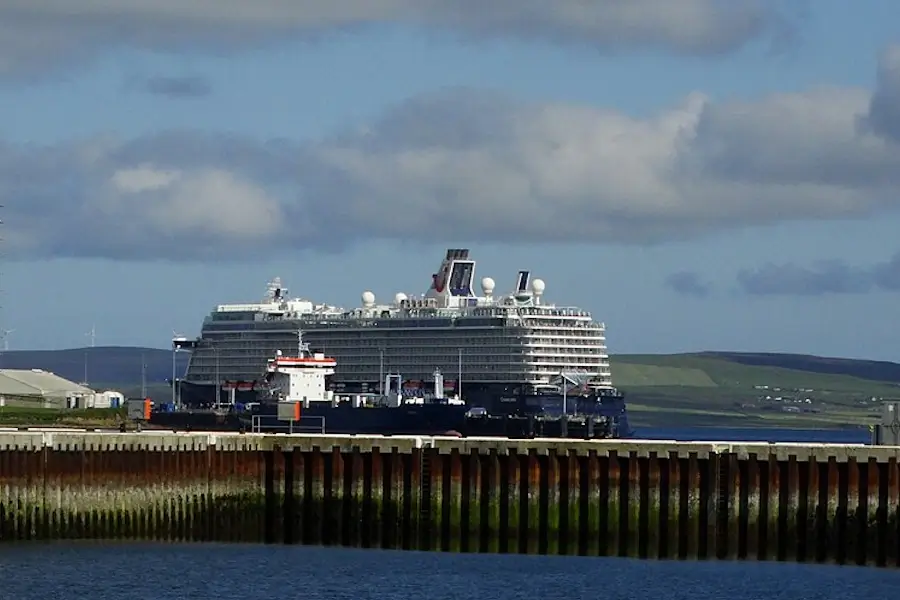
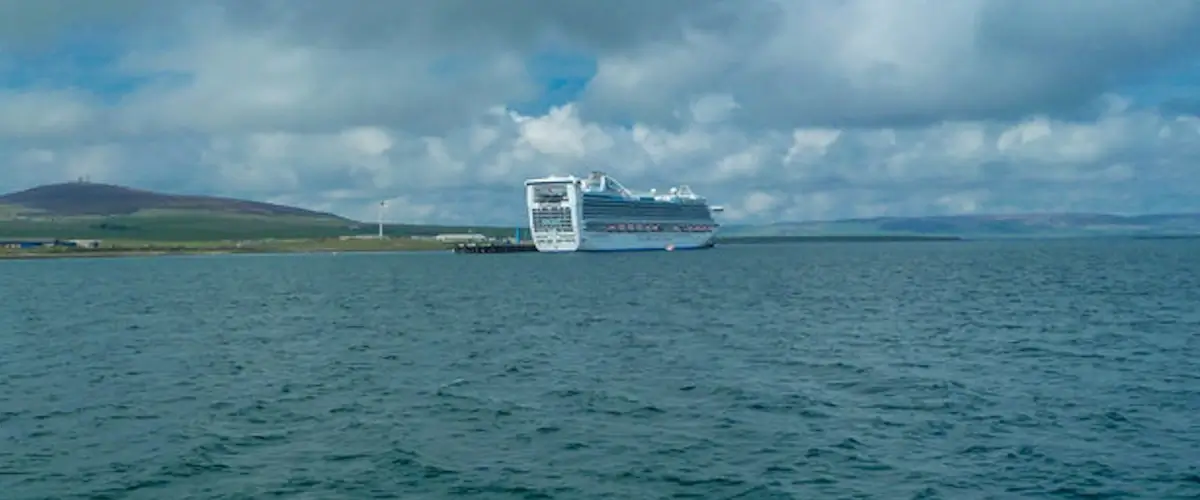
Most cruise ships berth at Hatston Pier — a working commercial port on the northern edge of Kirkwall. It’s not a cruise terminal in any conventional sense. You step off the gangway into a fenced-off marshalling area: coaches lined up in rows, a shuttle bus lane to one side, no shops or promenade.
Hatston handles large vessels. The berth runs to 385m LOA with a 10.5m draught and no air draught restriction — some of the biggest ships on the British Isles circuit call here regularly.
Smaller vessels sometimes dock at Kirkwall Harbour, right in the town centre, within walking distance of St Magnus Cathedral. Larger ships may anchor in Kirkwall Bay and tender passengers ashore to the inner harbour.
Check your cruise line’s daily programme before arrival. Where you dock changes how you plan the morning.
Getting from Hatston to Town
Hatston is roughly 3km from Kirkwall town centre — around 1.8 miles. The options:
- Free shuttle bus — runs continuously on cruise call days between Hatston and the Kirkwall Travel Centre. Around 7–10 minutes. Accessible buses available. This is what most passengers use.
- Walking — possible but unrewarding. Forty to fifty minutes each way along a main road with no particular scenery. Most passengers don’t bother.
- Taxi — available, but in short supply on busy cruise days when multiple ships are in. If you’re planning a private island circuit, pre-book rather than hoping to flag one down at Hatston.
- Car hire — available in town. Orkney’s roads are straightforward, distances are short, and this is one of the few UK cruise ports where independent driving is a realistic option for confident travellers.
The shuttle queue builds gradually. Unless the entire ship rushes off simultaneously, you’re rarely waiting more than a few minutes.
How Much Time Do You Have?
This question changes everything. Orkney’s headline sites are spread across Mainland — the Ring of Brodgar is 25–30 minutes from Kirkwall, Skara Brae another 10–15 minutes beyond that. You need time at both ends: shuttle logistics, the drive, the site visits, and the return before all-aboard.
| Time in port | What’s realistic |
|---|---|
| 4 hours or less | Kirkwall town only – cathedral, palaces, museum and shops |
| 5–6 hours | Kirkwall plus one outlying site – Ring of Brodgar or Skara Brae, not both |
| 6–8 hours | Full Orkney circuit – Skara Brae, Ring of Brodgar, Stenness and Italian Chapel |
| 8+ hours | Add Highland Park Distillery, Stromness or one of the scenic coastal routes |
Work backwards from your all-aboard time, not forwards from departure. The shuttle, the drive, the site visit, and your personal return buffer — add those up before committing to an itinerary.
What to Do in Kirkwall Town
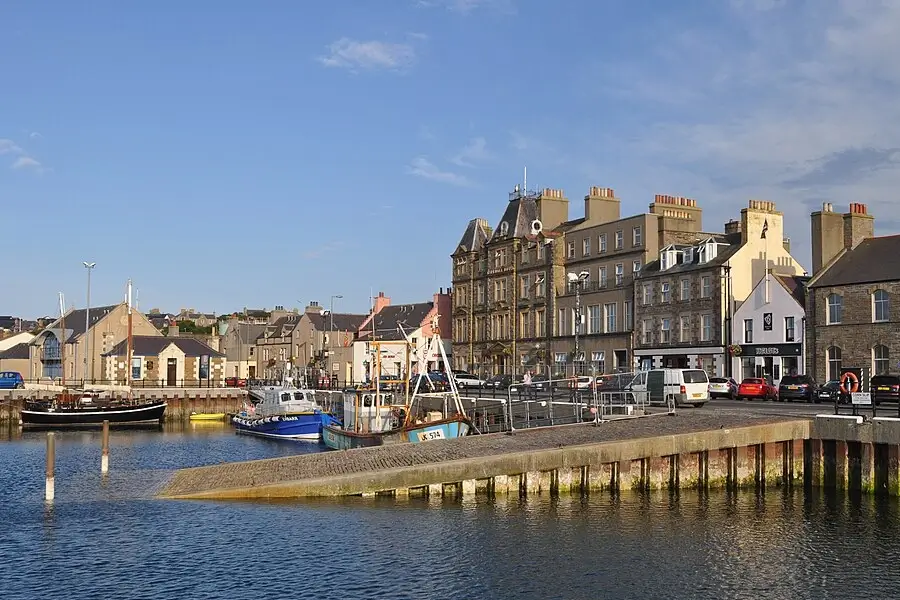
Kirkwall is compact. From where the shuttle drops you at the Kirkwall Travel Centre, almost everything worth seeing in town is within walking distance.
St Magnus Cathedral is the natural starting point — a red sandstone Norse cathedral founded in 1137, still in regular use, and free to enter. The interior is quieter and more arresting than it looks from outside. Allow 30–40 minutes.
Adjacent are the ruins of Bishop’s Palace and Earl’s Palace. The Earl’s Palace in particular is one of Scotland’s better Renaissance ruins — an early 17th-century structure that gives a strong sense of how significant Orkney once was. Entry is modest; both are Historic Environment Scotland sites.
The Orkney Museum sits just off the Cathedral. Free, housed in a 16th-century mansion, and worth 30–45 minutes if Neolithic artefacts and Viking boat burials interest you.
The town has independent shops, a few cafés, and enough narrow streets to fill a relaxed morning. If you’re staying local, three to four hours in Kirkwall is enough — the Cathedral, the palaces, the museum, lunch, and some walking time. A comfortable port day. Not the most dramatic, but a solid one.
Shore Excursions: Skara Brae, Ring of Brodgar & Beyond
Skara Brae is the reason most passengers who leave Kirkwall get on a coach. It’s a 5,000-year-old Neolithic village preserved in coastal dunes on Orkney’s west coast — older than Stonehenge, more intimate than almost any prehistoric site in Britain. The visitor centre is well-run; the excavated village is small enough to take in properly in an hour.
The Ring of Brodgar and Standing Stones of Stenness sit 25–30 minutes from Kirkwall in the same part of the island. Brodgar is a large ceremonial stone circle on a narrow causeway between two lochs. Stenness is older and often quieter. Most Orkney tours run these together in a single west Mainland circuit.
For these sites, an organised tour is the practical choice. Not because independent travel is impossible, but because public transport on Orkney is infrequent and doesn’t map reliably onto cruise schedules. Taxis fill up fast on busy call days. Combining multiple sites on a limited time window is easier with a driver who knows the roads and the timing.
Best-reviewed Kirkwall shore excursions on Viator:
If you’re staying in town but want structure: the Kirkwall Private Walking Tour covers the Cathedral, Bishop’s Palace, and Earl’s Palace with a local guide. 3–4 hours, from $252 per group.
All tours above offer free cancellation. Browse the full list of Kirkwall shore excursions on Viator →
Highland Park Distillery
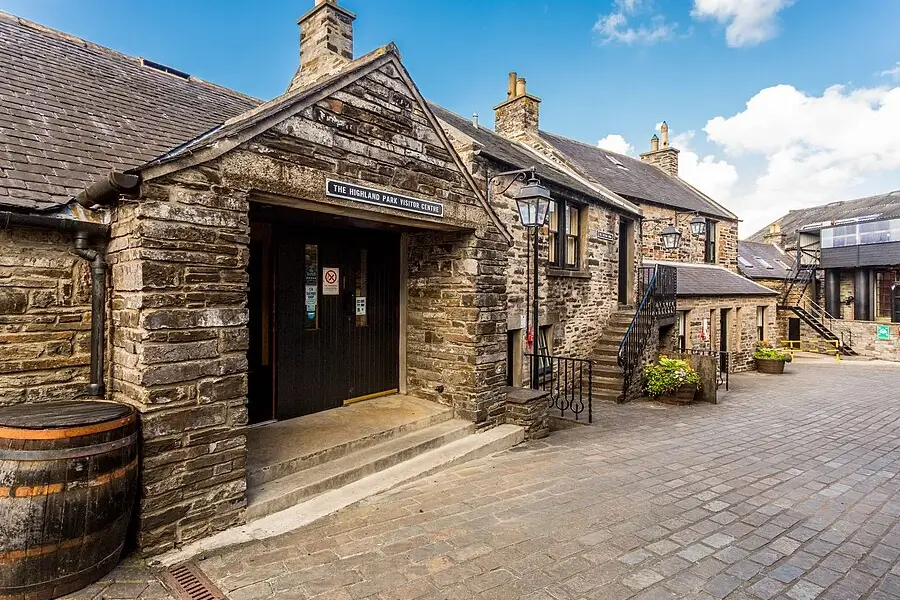
A mile south of Kirkwall town centre sits Highland Park — one of Scotland’s most-discussed single malts and, at 59° north, the most northerly whisky distillery in Scotland. It’s been running since 1798 and still floor-malts a portion of its barley using local Orkney peat.
Tours run from around an hour upwards and include distillery access plus tastings. The standard visit is easy to fit into a shorter port day — if you’re not heading out across the island, a Highland Park tour and an afternoon in the Cathedral area makes for a complete and unhurried day ashore.
Book ahead in peak cruise season. Walk-ins are possible but not guaranteed when the ship count is high.
The Italian Chapel
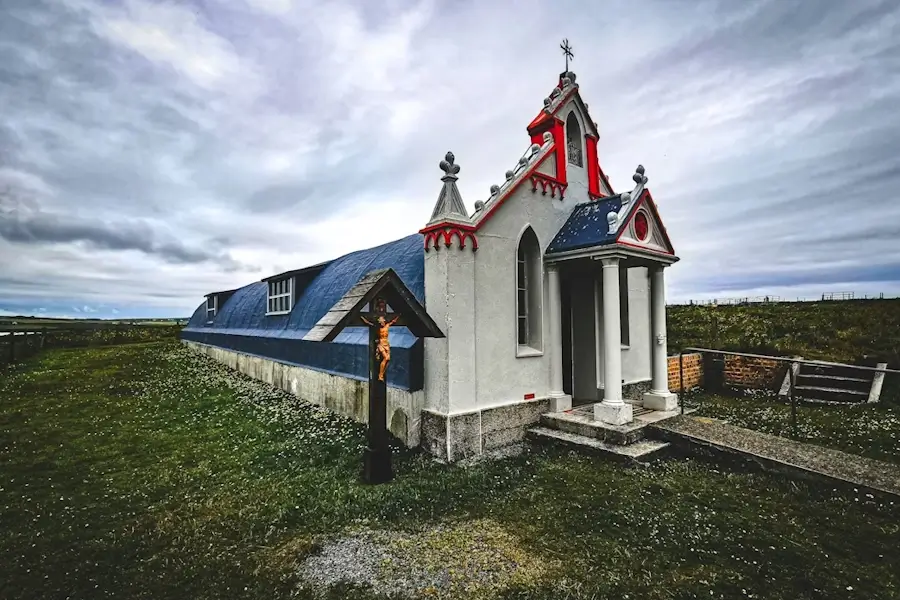
The Italian Chapel sits on Lamb Holm, roughly 20 minutes south of Kirkwall via the Churchill Barriers. It was built by Italian prisoners of war during World War II — two Nissen huts, scrap metal, concrete, and determination, transformed into something that looked, against all probability, like a proper chapel. It survived the war and is still in use.
It takes around 20 minutes to see. It’s small, quiet, and genuinely remarkable in a way that photographs don’t quite convey. Most full-day Orkney tours include it as a stop; it’s also possible to reach independently by taxi or as part of a self-drive circuit.
If your port day is under five hours, it probably doesn’t fit without sacrificing the Cathedral or the stone circles. If you have six hours or more, it should be on the list.
Should You Book a Shore Excursion?
If you’re only visiting Kirkwall town, no. The shuttle drops you close to everything, the streets are walkable, and you don’t need a guide to find St Magnus Cathedral.
For anything beyond town — Skara Brae, the Ring of Brodgar, the Italian Chapel — yes, a tour is the right call for most passengers. The reasons are practical:
- Public buses on Orkney are infrequent and don’t align with cruise schedules
- Taxis are limited in number and book out fast on busy call days
- Road distances are deceptive — the sites are further apart than they look on a map
- A guide who knows the timing can fit more in and still get you back to Hatston on time
The main alternative to a tour is a self-drive rental. Orkney’s roads are genuinely manageable — single carriageway, light traffic, short distances. For two to four people who are comfortable driving on the left, a rental car gives full flexibility and often works out cheaper per head than an organised tour.
What doesn’t work well: arriving at Hatston and hoping to assemble a plan from scratch. The good taxis will be gone, the popular tour slots will be full, and the shuttle will be running on someone else’s schedule.
Where People Get It Wrong
The most common mistake is treating Kirkwall and Orkney as the same thing. Kirkwall is the town. The sites people most want to see are on the wider Orkney Mainland — 30 to 40 minutes by road in most cases. Easy to underestimate.
The second is road time. Combining Skara Brae, Ring of Brodgar, Stenness, and the Italian Chapel sounds manageable on paper. Add 30 minutes to Hatston, 30 minutes driving west, an hour at each cluster of sites, a stop at the chapel, and the drive back — and a six-hour port day has no margin left. Passengers who try to cover everything independently without a driver often don’t.
The third is leaving transport unbooked. On days when two or three ships are in — which happens regularly in Orkney’s peak season — taxis are genuinely scarce. If you’re going independently, sort it the evening before. If you’re booking a private tour, do it before you board the ship.
Weather is a factor at exposed sites. Skara Brae and the stone circles are open ground, the sea wind is not optional, and conditions inland can differ from what the morning looked like at the dock. A waterproof layer is worth carrying regardless.
Kirkwall at a Glance
| Dock | Hatston Pier for most cruise ships, or Kirkwall Harbour for smaller vessels |
| Distance to town | 3 km / 1.8 miles from Hatston Pier |
| Shuttle bus | Free, continuous on cruise days – usually around 7–10 minutes |
| Currency | British pound (£). Cards are widely accepted in town |
| Best for | Neolithic archaeology, World War II history, whisky and Norse heritage |
| Itinerary neighbours | Usually Lerwick in Shetland and Invergordon on the same Scotland cruise route |
Also on this itinerary
Kirkwall and Lerwick usually appear on the same British Isles run — Lerwick is Shetland’s capital and typically the next port north. It’s a different kind of stop: a smaller, quieter town with dramatic coastal scenery and a strong Norse history. See the Lerwick Cruise Port Guide for what to expect when you get there.
Frequently Asked Questions
Where do cruise ships dock in Kirkwall?
Most cruise ships dock at Hatston Pier, roughly 3 km from Kirkwall town centre. A free shuttle bus runs to the Kirkwall Travel Centre on cruise call days, taking around 7–10 minutes. Smaller vessels may dock at Kirkwall Harbour in the town centre. Larger ships occasionally anchor in Kirkwall Bay and tender passengers ashore.
Can you explore Kirkwall independently without booking a tour?
Yes – Kirkwall town is easy to manage independently once the shuttle drops you in the centre. St Magnus Cathedral, the Earl’s Palace, Bishop’s Palace and the Orkney Museum are all walkable. For Skara Brae, Ring of Brodgar and other sites across the wider Orkney Mainland, a pre-booked tour or taxi is strongly recommended. Public transport does not reliably line up with cruise schedules.
What is the best shore excursion from Kirkwall?
For first-time visitors, a tour combining Skara Brae, Ring of Brodgar and the Standing Stones of Stenness gives the strongest sense of Orkney. The Semi-Private Orkney and Kirkwall Tour is the most-reviewed option and includes the Italian Chapel on the same route. It runs for 6.5 hours, from $265.
How far is Skara Brae from Kirkwall cruise port?
Skara Brae is roughly 45–55 minutes from Hatston Pier by road, allowing for the shuttle into town and the drive west across Mainland. It is best combined with the Ring of Brodgar and Stenness on a single western Orkney circuit. Independent visitors need either a rental car or a pre-booked taxi, as local buses do not fit cruise timetables reliably.
Is the Italian Chapel worth visiting on a cruise day?
Yes, if you have at least six hours in port. It is around 20 minutes south of Kirkwall and is usually included in full-day island tours. This World War II prisoner-of-war chapel was built from Nissen huts and scrap materials, and has survived intact. It is small, but more affecting than it sounds. Allow around 20 minutes to see it.
Is Highland Park Distillery worth a visit on a short port day?
Yes – it is about a mile from the town centre and easy to reach from the shuttle drop. Standard tours run for around an hour. It works well for passengers who want something hands-on without committing to a full island circuit. Book ahead in peak season.
What is Kirkwall like for a cruise stop compared to other Scottish ports?
Kirkwall offers something most other Scottish ports do not: direct access to UNESCO-listed Neolithic sites that genuinely cannot be seen anywhere else. The town itself is smaller and quieter than other Scottish ports like Invergordon or Greenock, but the wider island gives it more distinctive content. It is not an Edinburgh day – it is an Orkney day. Different rhythm, different reward.
Picture: Highland Park Distillery Alan Jamieson, CC BY-SA 3.0 via Wikimedia Commons. Picture: Kirkwall Alan Jamieson, CC BY-SA 3.0 via Wikimedia Commons.

Scott Gibson grew up in South Queensferry and runs queensferry.net. The Forth and Edinburgh guides come from lived experience — tender days at Hawes Pier, cruise traffic, the shortcuts into the city. For the wider Scotland cruise ports, he draws on friends in some of the port towns alongside port, operator and transport sources — so the detail holds up on the ground, not just on paper. Clear directions, real timings, no brochure fluff.